
Introduction to Storage Management in Linux
In the ecosystem of Linux-based operating systems, efficient disk space management is fundamental for system performance and stability. A key tool for users of graphical environments is KDiskFree, a utility specifically designed to provide an intuitive visualization of storage usage in distributions that use the KDE Plasma platform. Unlike command-line tools such as df or du, KDiskFree offers a graphical interface that facilitates a quick understanding of storage health.
What is KDiskFree?
KDiskFree is a resource management application that integrates deeply with the KDE desktop environment. Its main function is to allow users to view hard disk usage, partitions, and file systems in a visual and colorful manner. This helps quickly identify which directories or files are consuming the most resources, enabling more effective cleanup before the system reaches its capacity limit. The tool leverages KDE capabilities to offer a design consistent with the rest of the system.
Main Features
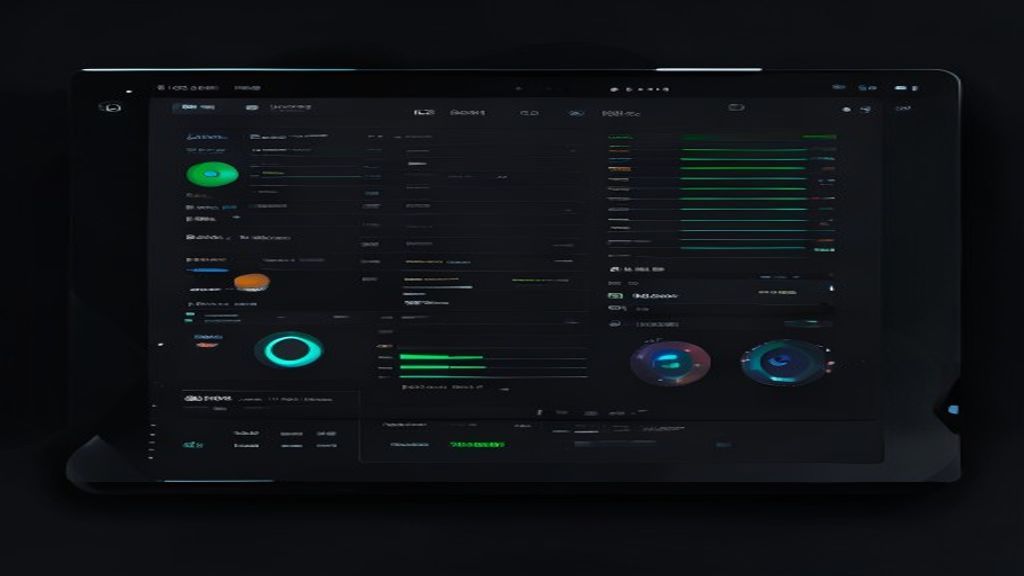
The KDiskFree interface is clean and straightforward. Upon opening the application, the user sees progress bars representing the usage of each mounted partition. Colors indicate fill level: green for available space, yellow for warning, and red for critical space. Additionally, the tool allows clicking on a bar to see a detailed breakdown of the files and folders occupying the space, facilitating the identification of temporary files, old logs, or obsolete downloads that can be deleted to free up space.
Installation on Different Distributions
To install KDiskFree on a Debian- or Ubuntu-based distribution, you can use the package manager apt. The command would be sudo apt update followed by sudo apt install kdeutils or kdf if available in the repository. On Arch Linux or derivatives like Manjaro, installation is done via sudo pacman -S kdf. For Fedora users, the command sudo dnf install kdf usually works adequately. It is important to verify whether the tool is already included in the default installation of the KDE package manager.
Usage and Functionality
Once installed, KDiskFree can be launched from the KDE applications menu. When executed, it shows a window listing all mounted partitions. The information updates in real time if configured correctly, although by default it usually shows the current state at launch time. The ability to export reports or take screenshots of the disk situation is another valuable function for documenting system status before performing massive cleanups or security updates.
Comparison with Command-Line Tools
While command-line tools offer technical precision and speed for advanced users, KDiskFree democratizes disk management for average users. However, it does not replace the need to know commands like find or rm to delete problematic files. KDiskFree acts as a visual abstraction layer over these complex operations. For example, if the bar shows a folder is large, the user can click to view its contents and decide which files are safe to delete, reducing the risk of accidentally deleting important data.
Maintenance and Space Cleanup
Regular use of KDiskFree is part of a proactive maintenance strategy. It is recommended to review disk status at least once a month. If usage is detected to exceed 80-90%, the source of excessive consumption should be investigated. Tools like journalctl can help clean system logs that often occupy large amounts of space. Additionally, temporary files from applications such as browsers or text editors can accumulate quickly. KDiskFree facilitates the identification of these space hogs.
Conclusion
KDiskFree is a valuable tool within the KDE ecosystem that enhances user experience by providing a clear and accessible visualization of storage usage. Its native integration with the desktop environment ensures a smooth and aesthetically consistent user experience. Although command-line alternatives exist, the simplicity and clarity offered by KDiskFree make it a recommendation for Linux system administrators who prioritize graphical usability. Keeping the system monitored with this tool contributes to optimal performance and avoids the frustration of a system full of insufficient space.
This post is also available in ESPAÑOL.