
Introduction to Tizen
Tizen is an open-source operating system based on Linux, primarily designed for smart devices such as televisions, wearables, smartphones, and Internet of Things (IoT) devices. Initially developed by Samsung and Intel, Tizen aims to provide a unified, lightweight, and highly customizable platform that enables manufacturers to create consistent user experiences across various types of hardware.
History and Evolution
The Tizen project was born in 2011 as a successor to the MeeGo and LiMo operating systems, with the intention of consolidating industry efforts into a single open platform. Since its first version, Tizen has undergone multiple iterations, improving the kernel, desktop environment, and development tools. Samsung has been the main driver, integrating Tizen into its Smart TV lines, Galaxy Watch watches, and other wearable devices.
Some important milestones include the release of Tizen 2.0 in 2013, which introduced support for HTML5 applications, and version 4.0 in 2017, which added security and performance improvements for IoT devices. Currently, Tizen 6.x is the most widely used stable branch, with regular updates addressing vulnerabilities and adding new APIs for developers.
Main Features
- Modern Linux kernel with optional real-time modules.
- User environment based on Wayland and EFL (Enlightenment Foundation Libraries) for a smooth interface.
- Compatibility with web applications (HTML5, CSS, JavaScript) and native applications in C/C++.
- Robust security framework, including process isolation and package signing.
- Power management optimized for devices with limited battery.
- Support for multiple resolutions and screen forms, from small wearables to 8K displays.
These features make Tizen particularly attractive for manufacturers seeking a flexible operating system without the licensing restrictions of proprietary platforms.
Device Ecosystem
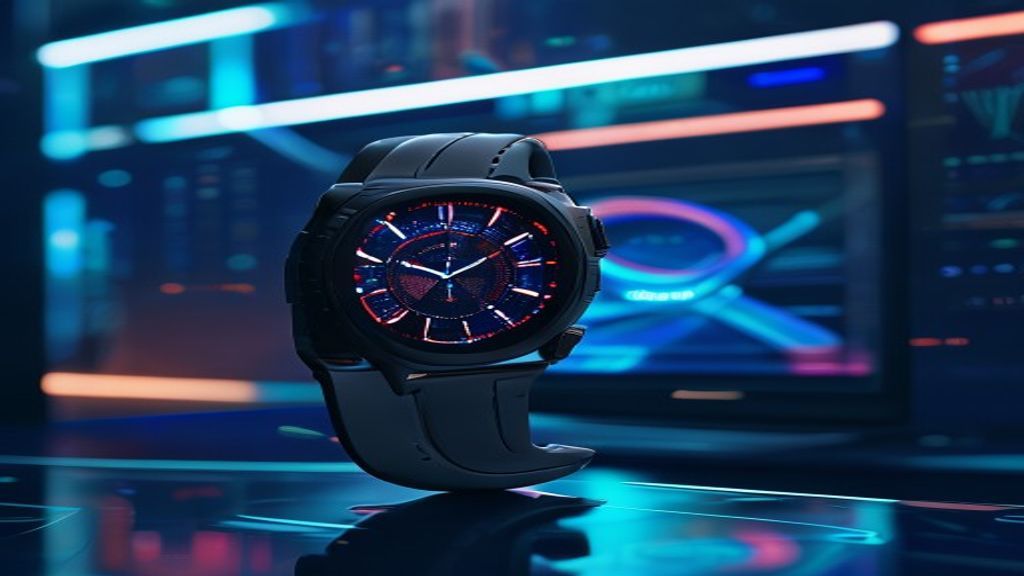
Tizen powers a wide range of products. In the television domain, Samsung’s Smart TV platform offers access to streaming services, cloud gaming, and voice control via Bixby or Alexa. In the wearables sector, Galaxy Watch watches use Tizen to monitor heart rate, sleep, and provide real-time notifications. Additionally, Tizen is found in smart home devices, such as Family Hub refrigerators, security cameras, and industrial automation systems.
The adoption of Tizen in the IoT sector has grown thanks to its ability to run on low-power hardware, as well as its compatibility with protocols such as MQTT and CoAP, facilitating integration into sensor and actuator networks.
Application Development
Developers can create applications for Tizen using several approaches:
- HTML5-based web applications that run within Tizen’s web engine and can access device APIs via the Tizen Web framework.
- Native applications written in C or C++, offering the best performance and direct access to system services.
- Hybrid applications that combine web and native components, leveraging the Tizen Web UI Framework library.
Tizen Studio, the official integrated development environment (IDE), provides emulators, debuggers, and templates to start projects quickly. Additionally, the Galaxy Store app store and the Tizen Store allow distribution and monetization of creations.
Advantages and Challenges
Among Tizen’s most notable advantages are its open-source nature, which allows manufacturers to audit and modify the code as needed; its low resource consumption, ideal for devices with limited hardware; and its focus on security, with frequent updates and a granular permission model.
However, Tizen also faces challenges. External developer participation is lower compared to Android or iOS, which may limit the variety of available applications. Additionally, fragmentation between different Tizen versions and manufacturers’ customization layers can cause incompatibilities. Finally, although Samsung is a strong backer, reliance on a single company may be perceived as a risk to the platform’s neutrality.
Future of Tizen
Tizen’s roadmap includes improvements in augmented reality and virtual reality support, as well as greater integration with edge artificial intelligence services. Work is underway on adopting containers and orchestration technologies like Kubernetes to facilitate large-scale deployment of IoT applications. Likewise, the open-source community continues to contribute drivers, security packages, and debugging tools, which promises to keep Tizen relevant in the connected device ecosystem.
In summary, Tizen represents a solid and versatile alternative for manufacturers who want full control over the software of their smart devices, offering a stable, secure, and adaptable foundation to meet current and future market demands.
Community and Support
The Tizen community consists of developers, manufacturers, and enthusiasts who collaborate through official forums, mailing lists, and public repositories on GitHub. Samsung maintains an extensive documentation portal, with quick-start guides, API references, and code examples that facilitate platform adoption.
In addition, regular events such as the Tizen Developer Conference and regional hackathons are organized, where innovative use cases are presented and alliances between hardware and software companies are fostered. The support model includes long-term security updates (LTS) for selected versions, ensuring that critical devices receive patches for several years.
- Developer forums with quick responses and practical examples.
- Open-source repositories under permissive licenses (Apache 2.0, MIT).
- Certification programs to guarantee application compatibility across different Tizen devices.
- Free training resources,
This post is also available in ESPAÑOL.