
Introduction
Ubuntu Satanic Edition is a variant of the popular Ubuntu Linux distribution that has generated both curiosity and controversy in the free software community.
Origins and history
The project was born in 2010 as an internal joke among developers who wanted to explore the limits of Ubuntu customization.
- Initially it was distributed as an ISO image under the name «Ubuntu Satanic Edition 10.04».
- The creators claimed that the theme included dark wallpapers, altered sounds, and a set of packages geared toward a gothic aesthetic.
- Over time, the edition went from being a simple joke to a project maintained by a small group of enthusiasts.
Main features
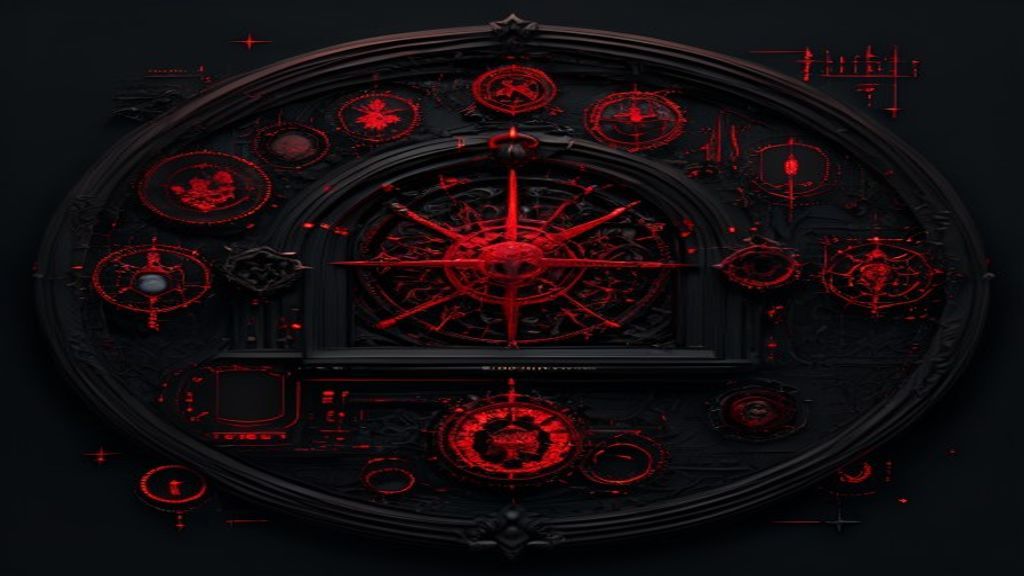
- Visual theme based on red and black tones, with icons that evoke occult symbols.
- Includes the GNOME desktop environment customized with extensions that modify the behavior of the panel and the application menu.
- Comes pre-installed with privacy tools such as Tor Browser and a modified version of LibreOffice with thematic templates.
- The kernel is compiled with additional security patches and unnecessary services are disabled to reduce the attack surface.
Community and reception
Although the edition never reached the popularity of official Ubuntu versions, it has generated a niche of followers who appreciate its aesthetic approach and its message of absolute freedom.
- Dedicated forums and IRC channels where users share themes, wallpapers, and customization scripts.
- Some Linux events have included talks about the edition as a case study of fork culture.
- The community emphasizes that the project is completely free and that anyone can modify and redistribute its code under the GPL license.
Controversies and myths
The name «Satanic» has provoked misunderstandings and emotional reactions.
- Some sensationalist media have accused the project of promoting extremist ideologies, although its developers deny any religious or political affiliation.
- The creators insist that the choice of the name is a form of artistic provocation and of questioning taboos in free software.
- In response, several distributors have decided not to host the ISO image on their official servers, limiting its distribution to community repositories.
How to try it (if it still exists)
Although the original edition no longer receives regular updates, it is still possible to find archived images on software preservation sites.
- Download the ISO from a trusted repository such as Internet Archive and verify its GPG signature.
- Create a virtual machine with VirtualBox or VMware to isolate the environment and avoid possible risks.
- Explore the desktop, try the included tools, and decide if the gothic style suits your tastes.
Conclusion
Ubuntu Satanic Edition exemplifies how creativity and humor can coexist with technical rigor within the Linux ecosystem. Whether you see it as a harmless joke, an artistic statement, or simply a historical curiosity, its legacy reminds us that the freedom to modify and redistribute software is, ultimately, a form of personal expression.
This post is also available in ESPAÑOL.