
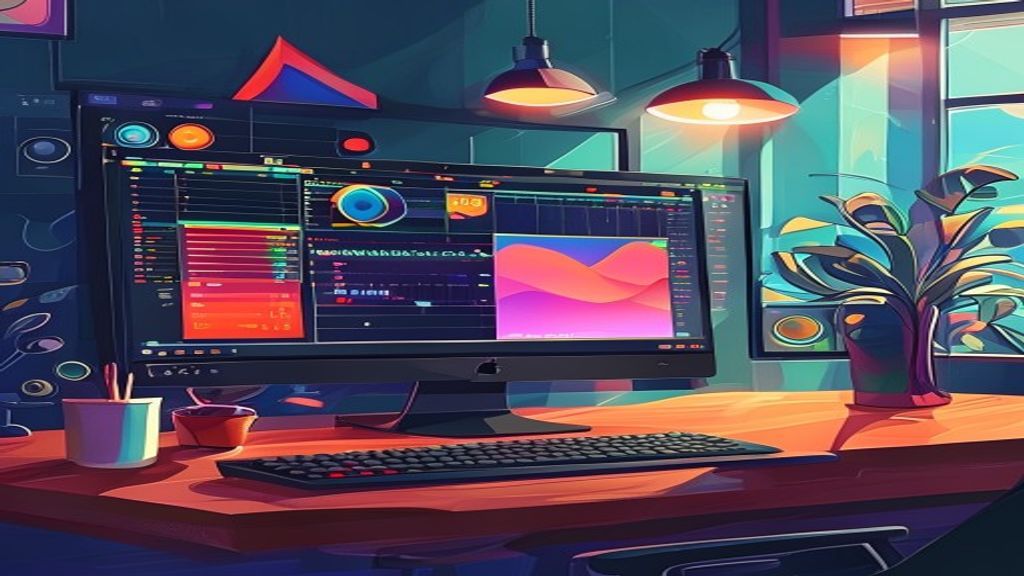
Introduction to Shotcut
Shotcut is an open-source, cross-platform video editor that has gained popularity among content creators, educators, and hobbyists due to its combination of power, flexibility, and zero cost. Initially developed by Dan Dennedy and now maintained by an active community, Shotcut is available for Windows, macOS, and Linux, allowing users to work in their preferred environment without worrying about expensive licenses. Unlike many proprietary programs, Shotcut does not include watermarks nor limit project duration, making it an ideal choice for those who want to experiment with advanced editing techniques without financial barriers. Furthermore, its FFmpeg-based architecture provides compatibility with a wide variety of codecs and formats, from common ones like MP4 and MOV to professional ones like ProRes and DNxHD. This flexibility makes Shotcut suitable for both simple vlog projects and more complex productions requiring color correction, audio effects, and multi-track composition.
Main Features
- Real-time editing with support for 4K resolution and higher, allowing work with high-definition material without needing proxies.
- A wide range of video and audio filters, including color correction, blur, sharpening, equalization, and reverb.
- Compatibility with multiple video and audio tracks, facilitating complex compositions, overlays, and sound mixing.
- Support for customizable transitions via keyframes, enabling smooth animations of opacity, scale, and position.
- Integration of screen capture and webcam tools directly from the interface, useful for tutorials and live streams.
- Flexible export with presets for platforms like YouTube, Vimeo, and Facebook, plus the ability to create custom output profiles.
Interface and Customization
Shotcut’s interface is based on a modular design that allows the user to organize panels according to their preferred workflow. At the top is the menu bar with access to file, edit, view, and tools; on the left, the playlist panel where imported clips are managed; in the center, the playback monitor showing a real-time preview; and on the right, the properties and filters panel where each element’s parameters are adjusted. All these panels can be undocked, float as independent windows, or be docked in different positions, providing a highly adaptable work experience. Additionally, Shotcut allows saving workspace layouts as presets, enabling users to quickly switch between configurations optimized for cutting, color correction, or audio mixing. The timeline is located at the bottom and supports drag-and-drop of clips, frame-accurate trimming, and applying effects via the filter track, all with customizable keyboard shortcuts that speed up the editing process.
Typical Workflows
- Media Import: drag your video, audio, and image files directly into the playlist or use the «Open File» menu to load batches of media.
- Preliminary Organization: rename clips, mark in and out points, and create subclips to work only with the relevant sections.
- Basic Cut Editing: place clips on the timeline, make razor cuts, and delete unwanted segments with the split tool.
- Applying Effects and Transitions: open the filters panel, drag the desired effect onto a track, and adjust its parameters via the controls or keyframes.
- Audio Mixing: use level meters, apply compression or equalization, and ensure a proper balance between dialogue, music, and sound effects.
- Final Export: select the appropriate preset for your target platform, review the output preview, and render the project in high-quality format.
Advantages and Limitations
- Advantage: free and open-source, with no watermarks or restrictions on commercial use.
- Advantage: broad format support thanks to FFmpeg, allowing editing of nearly any file type without prior conversion.
- Advantage: highly customizable interface compatible with multiple monitors, ideal for professional workstations.
- Advantage: frequent updates and an active community offering tutorials, forums, and additional plugins.
- Limitation: the learning curve can be steep for users accustomed to more traditional editors due to the unique panel layout.
- Limitation: although powerful, some advanced color correction and motion tracking features are not as refined as in paid suites like Adobe Premiere Pro or DaVinci Resolve.
Conclusion
Shotcut represents a solid and accessible solution for anyone seeking a capable video editor without incurring licensing costs. Its combination of technical power, format flexibility, and customization capability makes it suitable for both beginners wanting to learn editing fundamentals and professionals needing a reliable tool for mid-range projects. While it may not match the depth of certain high-end features found in commercial suites, its open-source nature and continuous improvement driven by the community ensure it will keep evolving and adapting to market demands. In short, Shotcut is worth trying, especially if you value the freedom to work without financial restrictions and enjoy experimenting with an editing environment you can tailor to your needs.
This post is also available in ESPAÑOL.