
Introduction
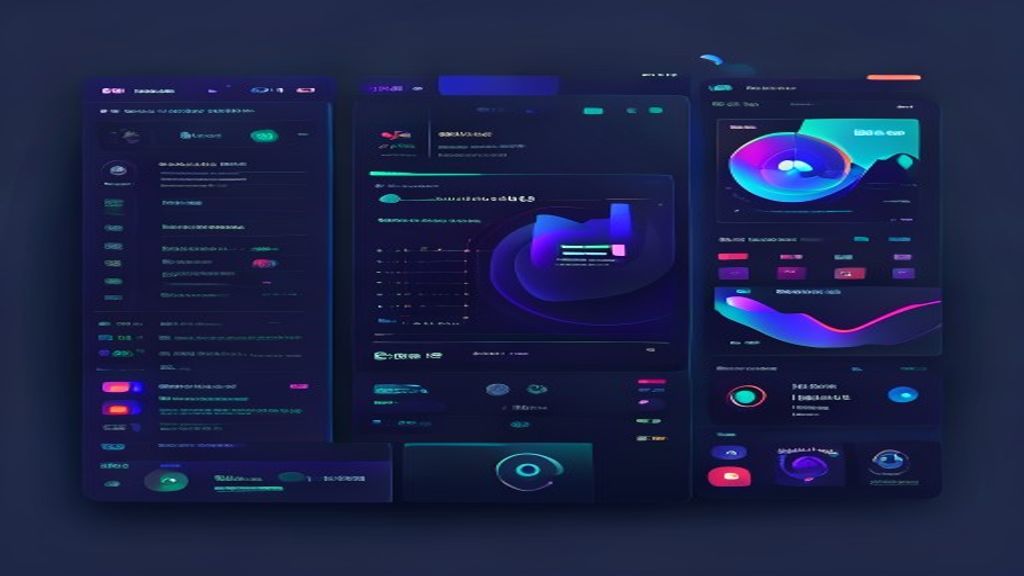
Deepin is a Linux distribution originating from China that has gained popularity thanks to its focus on aesthetics and usability. Based on Debian, it combines the stability of its base with a proprietary desktop environment called Deepin Desktop Environment (DDE), which offers a refined and smooth visual experience.
History and evolution
The Deepin project was born in 2004 under the name Hiweed Linux. After several name and focus changes, in 2015 it was officially established as Deepin, adopting Debian as its main base. Since then, each version has introduced improvements in performance, hardware compatibility, and refinement of the DDE.
Main features
- DDE desktop environment: bottom dock-like panel, modern application menu, and transparency effects.
- Unified control center: system configuration, appearance, and hardware accessible from a single interface.
- Deepin App Store: repository with thousands of packages optimized for the distribution.
- Own tools: multimedia player, screen capture, file manager, and backup utilities.
- Periodic updates: semi-rolling release model that keeps the system secure and up-to-date.
Deepin Desktop Environment (DDE)
The DDE is the visual heart of Deepin. It is written mainly in Qt and Go, which allows it to be lightweight and responsive. Its most notable components include:
- Launcher: application menu with instant search and category view.
- Dock: customizable bar showing open and favorite applications, with smoothing effects.
- Notification panel: integrated center for system and application messages.
- Window manager: composition effects such as shadow, blur, and transition animations.
Thanks to its user-centered design, DDE offers an experience that competes with proprietary environments like macOS or Windows 11, while maintaining the freedom of free software.
Community and support
Although Deepin has its roots in a Chinese company, its development is supported by a global community of contributors. The official forums, wiki, and Discord channels provide help for both beginners and advanced users. Additionally, the distribution offers official technical support for companies wishing to deploy Deepin in production environments.
Conclusion
Deepin represents an attractive option for those seeking a Linux operating system that does not sacrifice appearance for functionality. Its Debian base guarantees stability and security, while the DDE provides a modern and productive interface. Whether for personal, educational, or professional use, Deepin continues to evolve and consolidate as one of the most beautiful and accessible distributions in the Linux ecosystem.
This post is also available in ESPAÑOL.