
Introduction
Evince is the default document viewer in many GNOME desktop environments. Born as part of the GNOME project, its main goal is to provide a simple, fast, and completely free reading experience. It supports a wide variety of formats, including PDF, PostScript, DjVu, TIFF, and XPS, making it a versatile tool for students, professionals, and home users. Its minimalist interface eliminates distractions and focuses on displaying content clearly.
Main Features
- Cross-platform support for PDF and other popular formats, without needing external plugins.
- Real-time text search with highlighting and navigation between matches using keyboard shortcuts.
- Thumbnail view and sidebar that facilitate exploration of lengthy documents or those with multiple sections.
- Presentation mode and ability to print directly from the interface, including double-sided printing options and page range selection.
- Integration with the GNOME file manager, allowing documents to be opened via drag‑and‑drop or from the context menu.
Installation
On Debian- or Ubuntu-based distributions, simply run sudo apt install evince. On Fedora, use sudo dnf install evince, while on Arch Linux the command is sudo pacman -S evince. For users who prefer universal packages, Evince is available as a Flatpak on Flathub and as a Snap in the Snapcraft store. All these options ensure a simple installation and automatic updates.
Basic Usage
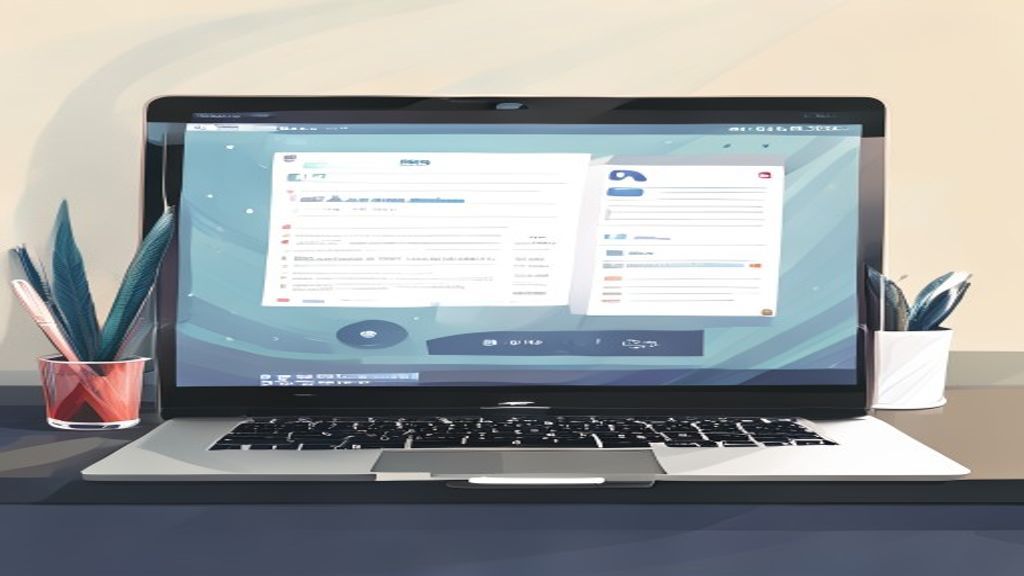
When launching Evince, a clean window appears where you can drag a file or use the File → Open menu to select the desired document. The toolbar includes buttons to go forward and backward through pages, adjust zoom via the slider or the increase/decrease buttons, and activate full‑screen mode with the F11 key. Search is activated with Ctrl+F and shows matches as you type, allowing you to jump between them with Enter or Shift+Enter. Additionally, the View menu offers options such as fitting the page width to the window or displaying two pages side by side.
Customization and Shortcuts
Although Evince favors simplicity, it allows modifying certain behaviors via the dconf configuration editor or the file ~/.config/evince/evince.conf. Among the most useful settings are changing the background color to reduce eye strain, setting a default zoom level when opening documents, and enabling custom keyboard shortcuts for rotating pages, switching between single‑ and double‑page views, and activating presentation mode. These settings take effect immediately without needing to restart the application.
Comparison with Other Viewers
Compared to alternatives such as Okular, Xpdf, or Adobe Reader, Evince stands out for its low resource consumption and native integration with GNOME. Okular offers more annotation features and support for rare formats, but it is heavier and can overwhelm modest systems. Xpdf is extremely lightweight and fast, but lacks a modern interface and features like the thumbnail pane or presentation mode. Adobe Reader, while feature‑rich and broadly compatible, is proprietary and often requires additional packages on Linux, plus it raises privacy concerns for some users. For most users who only need to read, search, and print documents, Evince provides the best balance of performance, functionality, and software freedom.
Conclusion
Evince remains a solid and reliable option for viewing documents in Linux environments. Its focus on simplicity, combined with agile performance and broad format support, makes it an indispensable tool for both occasional users and professionals who work with large volumes of PDF and similar files. By choosing Evince, you gain a distraction‑free reading experience that is completely free and perfectly integrated into the GNOME desktop.
This post is also available in ESPAÑOL.