
Introduction to Subtitle Editor
In the era of multimedia content, subtitles play a fundamental role in reaching global audiences, people with hearing difficulties, and viewers who prefer watching videos without sound. A subtitle editor is a tool that allows you to create, modify, and synchronize on-screen text, ensuring the message is clear and accessible.
What is a subtitle editor?
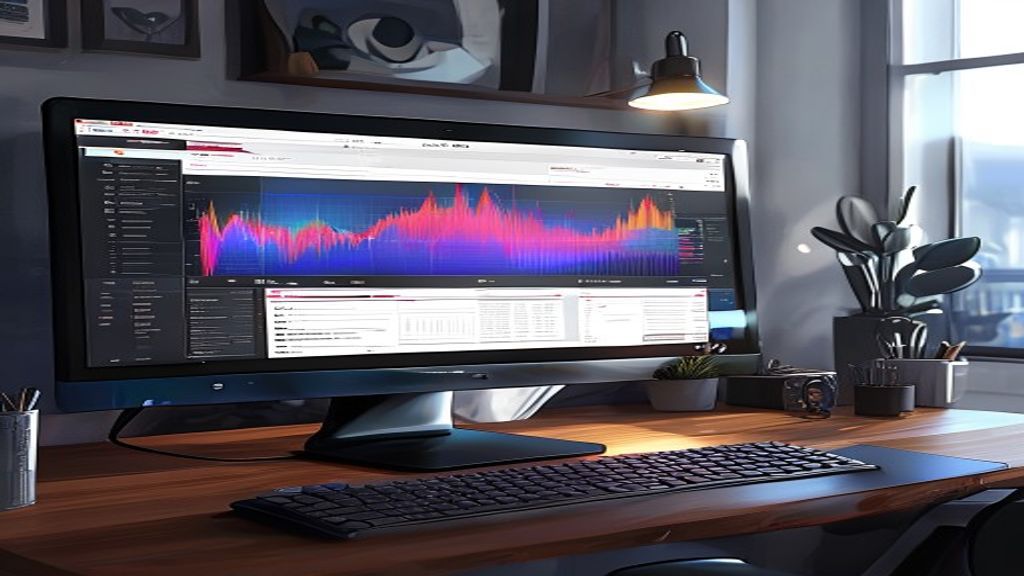
A subtitle editor is a specialized application that facilitates the task of writing subtitles, adjusting their appearance time, and exporting them in various formats such as SRT, VTT, ASS, or SSA. Unlike a generic text processor, these editors display the video timeline, show audio waveforms, and allow dragging text blocks to achieve precise synchronization.
Main Features
- Visualization of the timeline with audio waveform.
- Real-time text editing with video preview.
- Automatic synchronization via voice detection or script import.
- Support for multiple subtitle tracks and font styles.
- Export to standard formats and the option to burn‑in subtitles into the video.
- Spelling and style correction tools.
Typical Workflow
- Import the video file or just the audio track.
- Generate an initial transcription (can be automatic or manual).
- Adjust the duration of each text block to match the speech.
- Apply font, color, and position styles according to branding or accessibility needs.
- Review playback in full‑screen mode and correct timing errors.
- Export the subtitle file in the format required by the publishing platform.
Popular Subtitle Editing Tools
- Aegisub: powerful, free, and open‑source, ideal for advanced karaoke and styling work.
- Subtitle Edit: user‑friendly interface with support for over 200 formats and automatic translation functions.
- Amara: online platform that facilitates collaboration and direct publishing to YouTube or Vimeo.
- Final Cut Pro and Adobe Premiere Pro: include built‑in subtitle modules for professional video‑editing workflows.
Future Trends in Subtitle Editing
Artificial intelligence is transforming the way we create subtitles. Increasingly accurate speech‑recognition models allow generating near‑ready drafts, reducing manual work time. Moreover, integration with automatic translation services enables real‑time production of multilingual subtitles. Another trend is the use of JSON‑based formats, such as WebVTT, which offer greater flexibility for styling and positioning text via CSS. Finally, editors are incorporating cloud‑based collaboration tools, where multiple reviewers can work simultaneously on the same project, leaving comments and approvals without needing to send files back and forth.
- Automatic transcription with AI and light post‑editing.
- Real‑time translation via neural networks.
- JSON‑based formats and CSS for advanced styling.
- Cloud‑based collaboration environments with version control.
Tips for Efficient Editing
- Work with a clear audio sample; reduce background noise before generating the transcription.
- Use keyboard shortcuts to split, join, and move text blocks quickly.
- Set a character limit per line (e.g., 42 characters) to improve readability.
- Loop the segment while adjusting the start and end of each subtitle.
- Save intermediate project versions to be able to revert if needed.
Accessibility Best Practices
- Include descriptions of important sounds (e.g., [music], [laughter], [door closing]) when they are relevant for comprehension.
- Maintain adequate contrast between text and background; if the video is light, use a dark outline or shadow.
- Avoid subtitles that occupy more than one‑sixth of the screen; this prevents blocking important visual content.
- Verify that subtitles are synchronized within a ±0.5‑second margin relative to speech.
Conclusion
Mastering a subtitle editor not only improves the quality of your productions, but also expands their reach and meets inclusion standards. Whether you work on educational content, marketing, or entertainment, investing time in learning the functions and shortcuts of these tools translates into more professional and accessible videos for all kinds of audiences.
This post is also available in ESPAÑOL.